Hello dear travel lovers! I’m Minh, a passionate travel expert with more than 20 years wandering every corner of Vietnam’s S-shaped land. From rugged backpacking trips in my younger days to guiding high-end tour groups today, I’ve witnessed countless transformations of destinations. Today, I’m incredibly excited to share with you about Làng Chài Mũi Né – a charming, vibrant little fishing village nestled right in Mui Ne, Bình Thuận Province, and how to perfectly combine it with Lâm Đồng tourism to create the most unforgettable journey of your life. If you’re searching for an authentic glimpse into Vietnamese coastal life, buying ultra-fresh seafood straight from returning boats, relaxing on white-sand beaches by turquoise sea, and enjoying the cool highland climate with rich ethnic cultures, then this is the guide made just for you. I’ll walk you through everything from A to Z in a friendly, casual tone – just like we’re sitting together over coffee, chatting about travel adventures. And remember: in 2026, Làng Chài Mũi Né tourism is hotter than ever thanks to new infrastructure like the completed Dầu Giây – Phan Thiết expressway and upgraded mountain passes connecting to Lâm Đồng, making travel smoother, faster, and far less tiring than before!
First Impressions of Làng Chài Mũi Né – The Heartbeat of Mui Ne’s Coastal Life
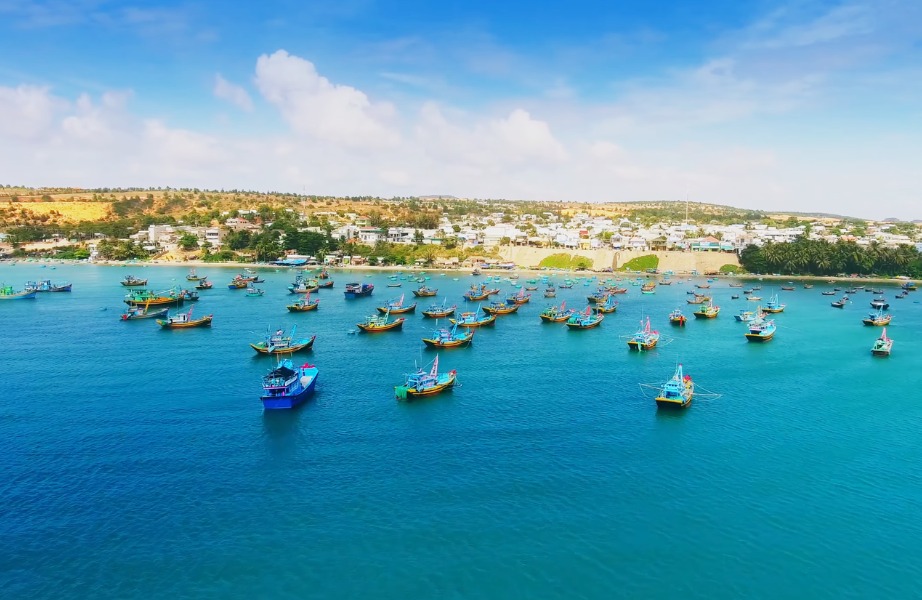
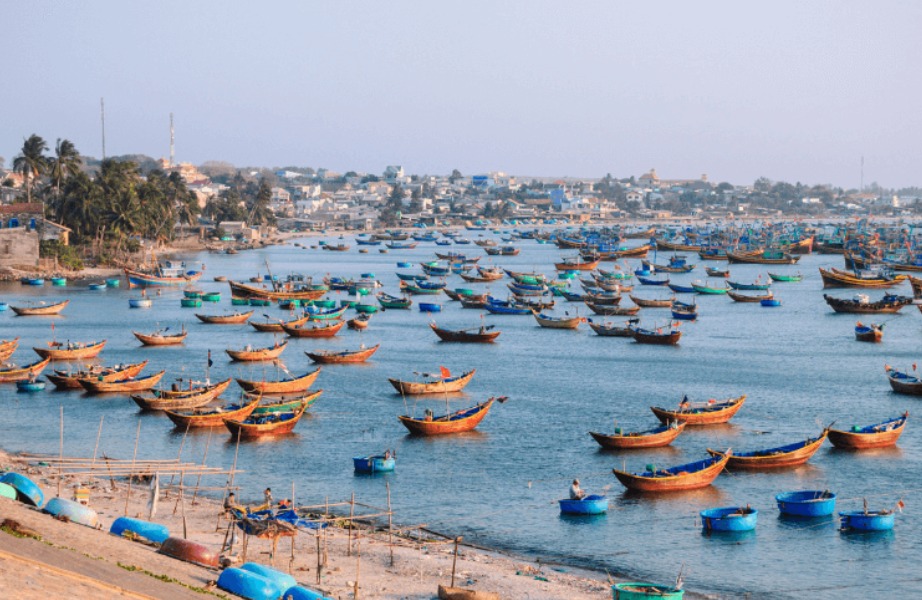
Làng Chài Mũi Né (Mui Ne Fishing Village) is a small, traditional fishing community located just about 3 km from the main tourist strip of Mui Ne. Situated in Mui Ne Ward, Phan Thiết City, Bình Thuận Province, this tiny village stretches only around 100–200 meters along the coast but packs an incredible amount of authentic life and color. As soon as you arrive, you’re greeted by hundreds of brightly painted wooden fishing boats – red, blue, yellow, green – bobbing gently in the shallow water or neatly lined up on the sand like a floating rainbow. According to VnExpress, “Mui Ne Fishing Village is about 3 km from the town center. Right at the entrance you’ll see hundreds of colorful fishing boats moored, and not far away is a small market with peaceful daily life.”
What makes this village so special is that it remains remarkably untouched by mass tourism. While Mui Ne has grown into a bustling resort destination, Làng Chài Mũi Né still feels like a living snapshot of traditional Vietnamese coastal culture: fishermen mending nets at dawn, women sorting the morning catch, children playing on the beach, and the constant rhythm of waves mixed with the shouts of traders at the tiny fresh seafood market. I still vividly remember my first visit 15 years ago: the village had almost no tourists, just local life in full swing – the smell of fresh fish, salty sea air, and warm smiles from every fisherman I passed. Today, thanks to Mui Ne tourism development, access is much easier (paved roads, clear signs), yet the village has been carefully preserved – no high-rise hotels, no souvenir overload – thanks to strong local community pride and Bình Thuận provincial policies that protect traditional livelihoods.
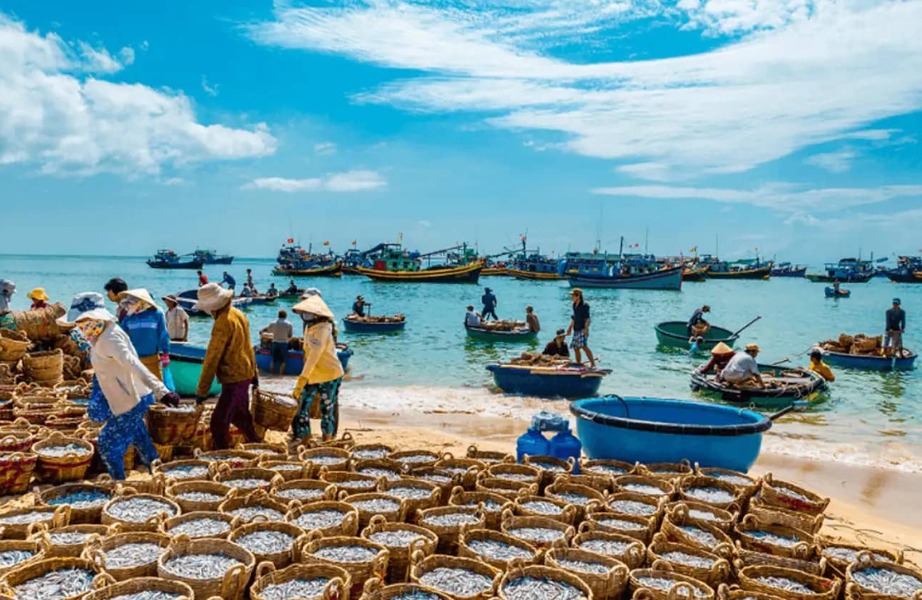
Mui Ne Fishing Village – Authentic coastal life in Mui Ne, Lâm Đồng
Overview of Mui Ne, Lâm Đồng and Vietnam Tourism Context in 2026
Before diving deep into the Làng Chài Mũi Né travel experience, let’s take a comprehensive look at Mui Ne, Lâm Đồng, and the bigger picture of Vietnam tourism in 2026 so you can understand how everything connects beautifully.
Mui Ne is a stunning 15-km coastal cape in Phan Thiết City, Bình Thuận Province, world-renowned for endless white-sand beaches, shimmering pink and red dunes, and profound Cham Pa heritage. According to Wikipedia, the name “Mui Ne” derives from “mũi” (cape) and “né” (to shelter) – local fishermen used this cape to hide from storms. Recognized as a National Tourism Area in 2018, it enjoys a tropical monsoon climate with year-round sunshine (average 25–30°C) and minimal rain from April to August – ideal for beach vacations, water sports, and outdoor adventures.
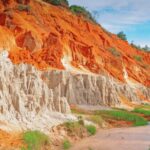
Iconic Mui Ne attractions include: Pink Sand Dunes (Flying Dunes) with 18 shifting colors, pristine Hòn Rơm for camping and swimming, Hòn Ghềnh for coral diving, Bàu Trắng – Bàu Sen (mini Sahara with lotus lakes), Fairy Stream (Suối Tiên) with red-white stalactites, vibrant Mui Ne Fishing Village, historical Trường Dục Thanh (where Ho Chi Minh taught in 1910), Thủy Tú Palace with Southeast Asia’s largest whale skeleton (22 m), Mui Ne Bay for water sports, ancient Poshanu Cham Towers, the unique Fish Sauce Museum, and more: Hòn Bà Island, Kê Gà Lighthouse (French colonial architecture), Tà Cú Mountain (Vietnam’s longest reclining Buddha), Cổ Thạch stone beach, Hang Pagoda, Gành Son red cliffs, Cù Lao Câu, and Phú Quý Island with pristine coral reefs.
Mui Ne culture is a harmonious blend of Vietnamese, Cham, and ethnic minorities. The highlight is the annual Kate Festival (7th lunar month) featuring traditional lăm vông dances, paranung drums, saranai flutes, and delicious Cham dishes like bánh canh chả cá and grilled meat wrapped in banana leaves. Traditions include artisanal fishing, handmade fish sauce fermented in giant wooden vats, intricate Cham brocade weaving with symbolic motifs of gods and nature, and sea festivals like whale worship at Thủy Tú Palace with hát bội opera, bã trạo performances, and colorful boat races. Cham Pa art shines through ancient towers, stone carvings of Shiva, fire dances, and folk music – offering profound cultural immersion for researchers and heritage enthusiasts.
Mui Ne cuisine is an absolute seafood paradise! Fresh raw seafood salad with cá mai, cá suốt, or cá đục served with herbs, rice noodles, and sweet-sour-spicy sauce; sand-dune lizard (dông) – sweeter and more tender than chicken – grilled with chili salt, fried, steamed, or in spring rolls; king crab (cua huỳnh đế) – Bình Thuận’s seafood king – grilled or steamed with lime-pepper-salt dip, or in rich congee during the 12th lunar month. Don’t miss sticky rice paper rolls with fermented shrimp paste (bánh tráng cuốn dẻo mắm ruốc), and the signature lẩu thả – thinly sliced raw fish with shredded herbs (lettuce, starfruit, banana blossom) and a complex tamarind-chili-garlic-peanut sauce. As VnExpress says: “Lẩu thả is the must-eat signature dish in Phan Thiết that every visitor hunts for.” I once tried lẩu thả at a tiny stall right in Làng Chài Mũi Né after watching fishermen haul in their nets – the perfect sour-sweet-spicy balance with fresh noodles and greens, so delicious I couldn’t stop eating!
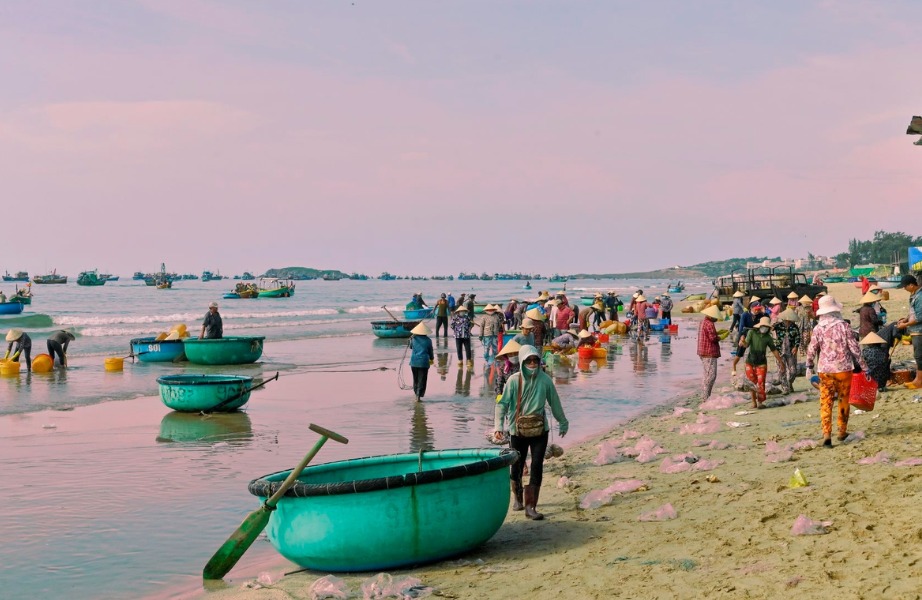
Mui Ne Fishing Village – Authentic coastal life in Mui Ne, Lâm Đồng
Lâm Đồng borders Bình Thuận to the west, with its capital Da Lat – the world-famous City of Eternal Spring. Covering 9,773 km², it boasts a cool temperate climate (15–20°C year-round), making it a paradise for eco-tourism and relaxation. Rainy season from May to October creates lush greenery and majestic waterfalls. Must-see spots: poetic Xuân Hương Lake (pedal boats, romantic walks), thrilling zipline at Datanla Falls, Pongour (Vietnam’s Niagara with 7 tiers), Lang Biang Mountain (2,169 m) with K’Ho-Chil love legends, Bidoup-Núi Bà National Park (ancient trees, wild orchids, elephants, tigers), romantic Valley of Love with flower gardens, bustling Da Lat Market (jams, fresh produce), Linh Phước Pagoda (Guinness record recycled-bottle architecture), serene Tuyền Lâm Lake for kayaking, Prenn Falls with mini zoo and cable car, Bảo Đại Summer Palace (French colonial interiors), endless flower gardens (hydrangeas, roses, mimosa), and more: Cù Lần ethnic village, Cầu Đất tea hills, golden stream with pine forests, Đan Kia Lake – Suối Vàng, 30-m Voi Falls, and Madagui Forest City for team-building.
Lâm Đồng culture is incredibly rich: UNESCO-listed gong performances of K’Ho, Mạ, and Chil peoples; buffalo sacrifice ceremonies praying for bountiful harvests with bamboo-pole dances and antiphonal singing; new-rice festivals with rice wine and grilled meat; dug-out canoe races on Xuân Hương Lake; and traditional brocade weaving with geometric motifs symbolizing mountains, animals, and beliefs. Official quote from Lâm Đồng Government: “The buffalo sacrifice of the K’Ho and dug-out canoe races of the Mạ are vivid living cultural symbols.” Traditions also include organic highland farming (coffee, tea, vegetables, flowers) and crafts: brocade weaving in Đạ Sar, wood carving in Lạc Dương, rice wine making in Đam Rông. Art highlights: Đà Lạt silk paintings of flowers and landscapes, gong folk music (8–12 gongs), xòe dances, and the annual Đà Lạt Flower Festival with flower parades and fresh-flower art installations.
Lâm Đồng cuisine is diverse and healthy thanks to fresh mountain produce and fertile basalt soil: Đà Lạt jams (strawberry, sweet potato, artichoke, persimmon, Laba banana, carrot), cooling artichoke tea (great for liver health), fresh strawberries with chili salt or in smoothies/salads, crispy Laba bananas with honey, sweet-crisp Đà Lạt persimmons, wild greens (lá bép, rau dớn, bamboo shoots stir-fried or in sour soup), forest lingzhi mushrooms in soup or chicken stew, grilled or steamed sturgeon from Đan Kia Lake, chicken grilled in banana leaves with lemongrass-chili-turmeric spices, free-range pork crackling with shrimp paste dip, crispy bánh căn pancakes with fermented fish sauce and toppings, grilled rice paper with quail eggs, dried shrimp, scallions, beef jerky, bamboo-tube sticky rice (cơm lam) with sesame salt or grilled meat, hearty crab noodle soup with fresh herbs, robusta coffee from Di Linh or Đam Rông (hot with condensed milk or iced black), and K’Ho rice wine (rượu cần) fermented with forest leaves, shared through bamboo straws during festivals. As Báo Mới notes: “Wild greens, forest leaves, bamboo shoots, mushrooms, stream fish… carry the true breath of the mountains.” My personal favorite: bánh căn at Da Lat Market – tiny crispy pancakes served piping hot with fermented fish sauce – the perfect warm comfort food on a cool highland evening.
In the context of Vietnam tourism 2026, the connection between Mui Ne and Lâm Đồng has never been stronger thanks to upgraded mountain roads since 2023, shortening travel time to just 4–5 hours. According to Vietnam Tourism, the “Sea & Flowers” route offers diverse experiences while preserving local culture and boosting community economy. I strongly recommend combining both: authentic fishing village life at Làng Chài Mũi Né and pine-forest trekking in Lâm Đồng – the ultimate sea-to-highland journey that creates lifelong memories with friends or family!
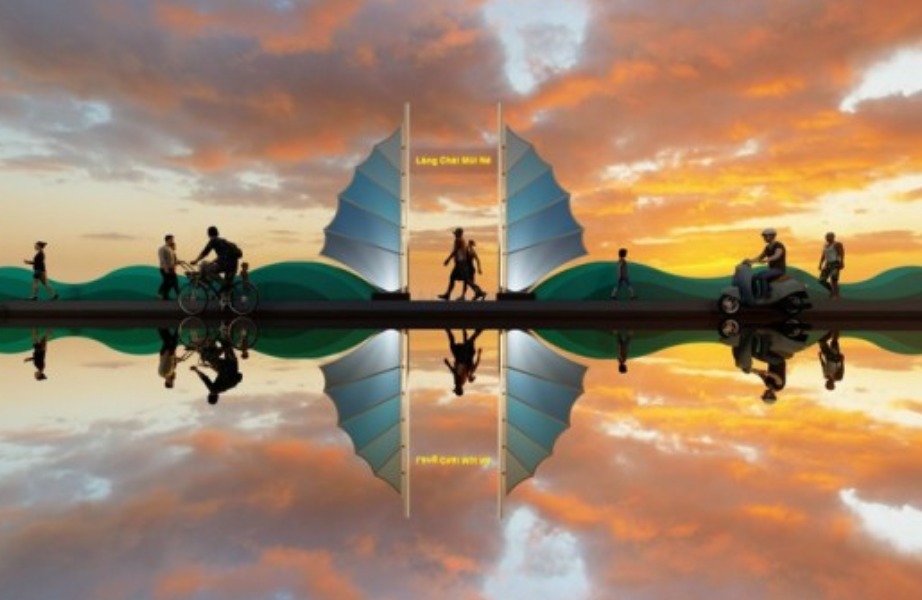
Mui Ne Fishing Village – Authentic coastal life in Mui Ne, Lâm Đồng
Best Time to Visit Làng Chài Mũi Né in 2026?
You can visit Làng Chài Mũi Né year-round thanks to Mui Ne’s warm climate, but I highly recommend April to August: sunny weather, calm seas, and the freshest seafood straight from morning boats docking at 5–7 AM. Temperatures 25–30°C, gentle breezes, and the market is at its liveliest with the biggest catches. August–December brings stronger winds (great for watching fishermen battle waves), but occasional showers in December – bring a light raincoat. Quote from Cuong Dulich: “Mui Ne Fishing Village is about 3 km from the town center – a small fishing village with peaceful daily life of local fishermen.”
For the perfect Mui Ne + Lâm Đồng combo: visit Da Lat in spring (Jan–Mar) for cherry blossoms and plum blossoms, then head down to Mui Ne for summer village vibes. Summer (Jun–Aug) is ideal to escape southern heat – cool 15–20°C in Lâm Đồng and vibrant fishing action in Làng Chài Mũi Né. In 2026, improved weather forecasting from AccuWeather means fewer surprises from storms. I once guided a group in May – everyone was mesmerized by the sunrise over hundreds of colorful boats – fishermen hauling nets full of fish, creating a living painting of coastal life. Early morning (5–7 AM) is best for market action, or late afternoon for golden-hour photos of boats against the sunset. For quiet visits, avoid Tet and peak summer – September–October has fewer crowds, 20–30% lower prices, and still beautiful weather with cool breezes. Rainy season (Nov–Dec) makes seas rougher (fewer boats), but gives a wild, authentic feel – great for distant viewing or combining with nearby historical sites.
How to Get to Làng Chài Mũi Né, Mui Ne in 2026
Getting to Làng Chài Mũi Né is now extremely convenient and enjoyable! From Ho Chi Minh City: motorbike along the stunning coastal route via Cát Lái Ferry, Long Thành, Bà Rịa, Hồ Tràm to Phan Thiết (~230 km, 4–5 hours) – I love this route for scenic stops like Hồ Tràm beach or Bình Thuận forests. Reliable buses from Miền Đông Station (Kumho, Phương Trang) cost ~130,000 VND, 5 hours with reclining seats and Wi-Fi. Train SPT1/SPT4 from Sài Gòn Station (~110,000 VND) offers beautiful coastal rail views. From Hanoi: fly to HCMC then continue, or direct to new Phan Thiết Airport (fully operational since late 2023) with Vietnam Airlines or Bamboo Airways (~1–2 million VND round-trip, 1-hour flight).
Big 2026 update: Dầu Giây – Phan Thiết expressway is fully operational – car travel from HCMC now only ~2 hours! From central Mui Ne to Làng Chài Mũi Né (~3 km): motorbike 5–10 minutes or walk along the beach if you enjoy a scenic stroll. Quote from Vietgoing: “Mui Ne Fishing Village is about 3 km from the town center, in Mui Ne Ward, Phan Thiết City, Bình Thuận Province.” Tip: Motorbike gives flexibility to stop and buy fresh seafood; arrive early morning for peak market action. From Lâm Đồng: drive from Da Lat via QL28B – scenic winding pass with pine forests and mist (4–5 hours, bus ~150,000 VND). Road upgrades since 2023 make it safer in 2026 with new guardrails and signs. Rent a self-drive car for photo stops, or join a bus tour with experienced drivers. Combine flights: land at Liên Khương (Da Lat) then drive to the sea – “highland to fishing village” journey with pine forests to turquoise sea. Safety note: check vehicle before mountain roads, avoid night driving due to mist, bring motion sickness pills for curves. From Phan Thiết to the village, roads are good, but final stretch is coastal – drive slowly with wind and sand in mind.
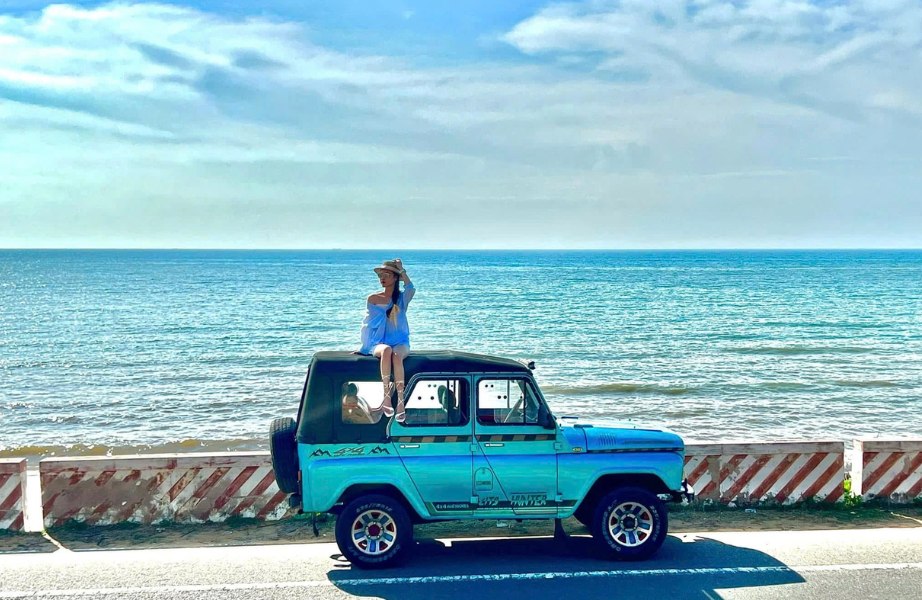
Getting to Mui Ne Fishing Village – Easy access in 2026
What to Do at Làng Chài Mũi Né?
Làng Chài Mũi Né is all about experiencing real Vietnamese coastal life! Here are the top activities based on my years of guiding groups:
1. Watching Boats Arrive & Morning Fish Market – The Soul of the Village
The absolute must-do: wake up early (5–7 AM) to watch dozens of colorful boats return from night fishing, unload crates of fresh fish, shrimp, squid, and crab, while traders shout prices and buyers bargain. The energy is electric – a living documentary of fishing life. I still remember groups gasping in delight at the sight of massive king crabs being lifted from boats! Quote from Vietgoing: “If you arrive at the fishing village early in the morning, you can buy lots of fresh seafood right when boats dock.” Tip: Bring your camera; buy seafood at source prices; ask fishermen about their daily life for unforgettable stories.
Mui Ne Fishing Village – Morning catch and market energy
2. Buying Fresh Seafood & Learning Fish Sauce Making
Buy ultra-fresh fish, prawns, squid, and crab at the market – prices 30–50% lower than tourist areas. Join informal workshops to see traditional fish sauce fermentation in giant wooden vats. Quote from Du Lịch Việt Nam: “Mui Ne Fishing Village lets you feel the clearest picture of fishermen’s daily life.” Tip: Bring a cooler bag; bargain politely; support local families.
3. Artistic Photography & Village Stroll
Colorful boats, drying nets, wooden houses, smiling fishermen – pure photography paradise. Stroll the narrow lanes to see daily life. Tip: Shoot at sunrise for golden light; always ask permission before photographing people.
4. Combining with Nearby Attractions & Cultural Activities
From the village, visit Fairy Stream, Pink Dunes, or head to Lâm Đồng for Pongour Falls. Join Cham cultural tours, learn brocade weaving. In 2026, eco-activities like beach cleanups are popular.
Local Specialties Around Làng Chài Mũi Né, Mui Ne & Lâm Đồng
Right at the village market enjoy ultra-fresh seafood: seafood salad, sand lizard dishes, king crab, sticky rice paper rolls, lẩu thả. Pair with Lâm Đồng: Đà Lạt jams, artichoke tea, strawberries, wild greens, sturgeon, grilled chicken, crackling pork, bánh căn, grilled rice paper, bamboo rice, crab noodles, robusta coffee, rice wine. Quote from Báo Mới: “Wild greens, mushrooms… carry the true breath of the mountains.” Try king crab straight from the boat after watching the morning catch – freshest you’ll ever taste!
Where to Stay Near Làng Chài Mũi Né in Mui Ne
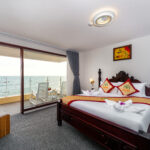
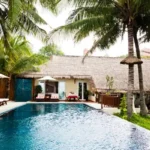
Options range from beachfront homestays (~500,000 VND) to luxury resorts. My top recommendation: Palado Hotel (paladohotel.vn) – 4-star beachfront at 98 Nguyễn Đình Chiểu, Mui Ne, Lâm Đồng (former Bình Thuận area). Hotline: 0915520285. Diverse room types from Standard Single (13.4 m²) to Master Sea View suites (60.4 m²), direct ocean views, infinity pool on level 2, 200-guest European wine cellar, 300-seat sea-view restaurant serving Asian-European cuisine, luxury spa with professional treatments, rooftop café with panoramic views, souvenir shop with dried squid, premium fish sauce, and dragon fruit sweets. Quote from site: “A place to ‘touch the waves, touch the wind’.” Personalized tours to Làng Chài Mũi Né and Lâm Đồng connections. In 2026, new green package supports coastal conservation.
Sample 10-Day Itinerary: Làng Chài Mũi Né + Lâm Đồng
- Day 1: Arrive Mui Ne → Check-in Palado Hotel → Beach walk & seafood dinner
- Day 2: Full morning at Làng Chài Mũi Né → Fish market, buy fresh catch, learn fish sauce → Picnic lunch
- Day 3: Nearby exploration → Fairy Stream, Hòn Rơm → Afternoon spa at Palado
- Day 4: Cham culture → Poshanu Towers, learn lăm vông dance → Lẩu thả dinner
- Day 5: Mui Ne classics → Pink Dunes, Bàu Trắng → Wine cellar evening at Palado
- Day 6: Drive to Lâm Đồng → Da Lat arrival, Xuân Hương Lake, night market → Bánh căn snack
- Day 7: Lang Biang trekking → Gong performance → Grilled chicken in banana leaves
- Day 8: Waterfalls & national park → Pongour, Bidoup-Núi Bà → Wild greens lunch
- Day 9: Ethnic villages → K’Ho culture, brocade weaving → Rice wine tasting
- Day 10: Da Lat specialties shopping → Fly home from Liên Khương
Flexible itinerary, estimated 15–20 million VND/person. Add extra days for deeper exploration. I’ve guided similar trips – guests always praise the perfect balance of authentic coastal life and highland serenity.
Travel Tips for Làng Chài Mũi Né
SPF50+ sunscreen, plenty of water (morning sun gets hot). Comfortable shoes for walking on sand. Avoid buying seafood during rough seas (fewer boats). Protect the environment – no littering on beach. For Lâm Đồng combo, bring warm clothes for cool nights. Respect culture – always ask permission before photographing fishermen or families. Bring personal medication, especially if allergic to seafood. Cash (small notes) for market purchases. Safety: go in groups, follow local guides in the village, watch for slippery rocks near water.
FAQs – Everything You Need to Know About Làng Chài Mũi Né
1. How far is Làng Chài Mũi Né from central Mui Ne?
Only about 3 km – 5–10 minutes by motorbike or a pleasant 30–40 minute beach walk.
2. What is the best time of day to visit Làng Chài Mũi Né?
Early morning 5–7 AM for the fish market and boat arrivals – freshest seafood and most authentic atmosphere. Late afternoon (4–6 PM) for golden-hour photos of boats against sunset.
3. Is Làng Chài Mũi Né touristy or still authentic in 2026?
Still very authentic – it remains a working fishing village with minimal commercialization compared to the main resort strip. Locals continue their daily life while welcoming respectful visitors.
4. Can I buy fresh seafood and cook it myself?
Absolutely! Buy directly from fishermen or market stalls (much cheaper than restaurants). Many homestays and hotels near the village will cook your catch for a small fee.
5. Are there any cultural rules I should follow when visiting?
Always ask permission before photographing people (especially fishermen working). Dress modestly (cover shoulders and knees if entering homes). Avoid littering – keep the beach clean.
6. Is it safe to walk around Làng Chài Mũi Né?
Yes, very safe – it’s a close-knit community. Just watch for slippery rocks near water and avoid wandering too far alone at night.
7. What seafood is freshest at the village market?
King crab (cua huỳnh đế), tiger prawns, squid, mackerel, and various reef fish – all caught that morning or night before.
8. Can children visit Làng Chài Mũi Né?
Yes! Kids love watching boats, seeing fish, and playing on the beach. Just keep them close near water and boats.
9. How do I get from Làng Chài Mũi Né to other Mui Ne attractions?
Motorbike or taxi – Fairy Stream (~5 km), Pink Dunes (~20 km), Hòn Rơm (~10 km). Many hotels offer day tours including village visits.
10. Does Palado Hotel organize trips to Làng Chài Mũi Né?
Yes! Palado offers personalized morning tours to the village with local guides who explain fishing life and help you buy the freshest catch.
11. What is the best way to combine Làng Chài Mũi Né with Lâm Đồng?
Stay in Mui Ne 4–5 days (village + beaches + dunes), then drive 4–5 hours via upgraded QL28B to Da Lat for highland exploration. Total 10-day trip is perfect.
12. Are there any festivals or special events at Làng Chài Mũi Né?
Yes – the annual Nghinh Ông (Whale Worship) Festival at nearby Thủy Tú Palace (20th day of 2nd lunar month) often spills over to the village with boat races and traditional performances.
13. Can I learn traditional fishing skills or fish sauce making?
Yes – many fishermen are happy to show you net mending or basic techniques. Fish sauce workshops are available at nearby traditional producers.
14. What should I bring when visiting Làng Chài Mũi Né?
Sunscreen, hat, reusable water bottle, small cash (small notes), camera/phone for photos, and a cooler bag if buying seafood.
15. Is the village affected by overtourism in 2026?
Not yet – it remains one of the least commercialized spots in Mui Ne. Respectful visitors help keep it authentic.
16. What is the connection between Làng Chài Mũi Né and Cham culture?
Many fishermen have Cham ancestry; you’ll see Cham-style boat decorations and can visit nearby Poshanu Towers for deeper cultural context.
17. How does Làng Chài Mũi Né compare to other fishing villages in Vietnam?
More colorful and accessible than most, with stronger preservation of traditional life compared to heavily touristed spots like Hội An or Phú Quốc.
18. Can I stay overnight in Làng Chài Mũi Né?
Yes – several simple homestays and guesthouses right in/near the village offer authentic overnight experiences with fresh seafood dinners.
19. What eco-friendly practices can I support when visiting?
Don’t litter, support local fishermen by buying directly, join beach cleanups (increasingly organized in 2026), and choose sustainable tours via Palado Hotel.
20. Why is Palado Hotel the best base for visiting Làng Chài Mũi Né?
Only 5–10 minutes away, it offers luxury comfort (infinity pool, wine cellar, spa) after authentic village mornings, plus personalized tours and direct beach access.
21. What should I do if I want to experience a real fishing trip?
Ask at the village early morning – some fishermen offer short ride-alongs (negotiate price ~300,000–500,000 VND). Palado can arrange safe, guided experiences.
22. How has Làng Chài Mũi Né changed in the last 10 years?
More visitors, better roads, but locals have successfully protected traditional life – still feels genuine and welcoming.